

· AFX Research
How the Grantor and Grantee Index Drives an Environmental Search
How researchers walk a county index in both directions to build a chain of title, why a name search and a parcel search catch different filings, and where the index runs out.
Table of Contents
Almost every county in the United States indexes its land records the same basic way, by the names of the parties to each instrument. Understanding how that index is walked explains a lot about why an environmental lien and AUL search is priced and scoped the way it is, and why the ownership history and the lien search are ordered together rather than separately.
Two directions through the same book
The index has two sides. The grantee side lists parties who received an interest. The grantor side lists parties who conveyed one. A researcher uses both, walking in opposite directions.
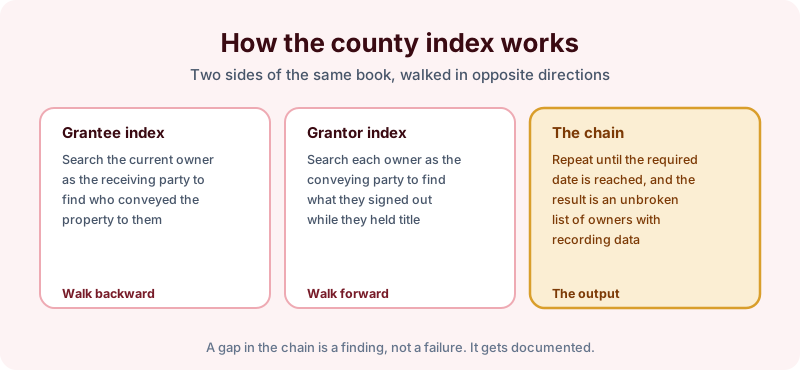
You start with the current owner and search the grantee index to find the instrument that put the property in their hands. That instrument names the party who conveyed it. You then search that party as a grantee to find who conveyed to them, and you repeat until you reach the date the search is supposed to cover. Running the grantor side for each owner catches what they signed out while they held title, which is where deed restrictions and recorded agreements tend to appear.
The output is a chain of title report, which lists all owners going back to the required date along with the dates of every ownership transaction and conveyance, the legal description, and a copy of the most currently recorded deed.
Why the chain has to come first
Here is the part that surprises people. A filing recorded against a prior owner is indexed under that prior owner’s name. If you do not know who owned the property in 1994, you cannot search 1994 filings against them.
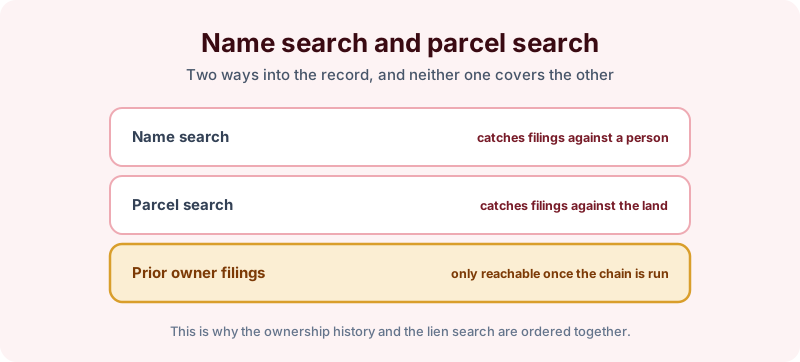
Some counties also maintain a parcel or tract index, which catches instruments filed against the land regardless of who held it. Where that exists it is a genuine second net, and AFX searches the property using both the grantor and grantee indexes and documents recorded against the subject parcel. Where it does not exist, the name chain is the only route to older filings, which is exactly why an environmental search that reaches back in time has to build the ownership history as part of the work rather than as an optional add on.
Where the index runs out
An index is a finding aid, not a guarantee, and it has known edges worth stating plainly.
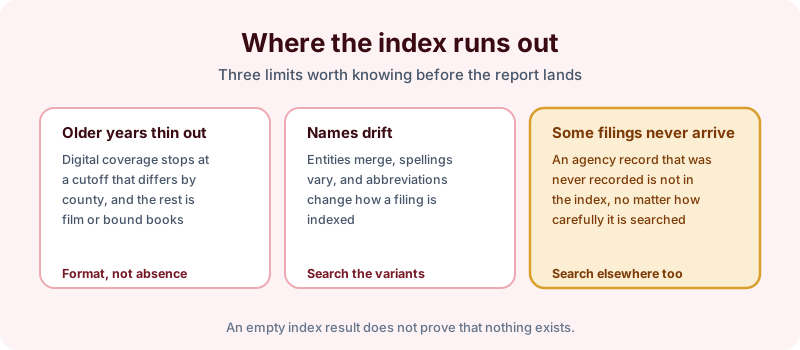
Digital coverage stops at a cutoff that differs by county, and everything before it is film or bound books. Names drift, because entities merge, spellings vary, and abbreviations change how an instrument is indexed, which is why a careful searcher runs variants rather than one exact string. And a record that was never sent to the recorder is not in the recorder’s index at any level of care, which is the reason the search also covers agency, court, and revenue files.
An empty index result does not prove that nothing exists. It means nothing was found of record in the locations searched, which is a narrower and more honest claim. Every report lists those locations so the boundary is visible.
What a gap in the chain means
Chains break. A conveyance goes unrecorded, a probate transfers title outside the index, a boundary adjustment splits a parcel and the successor description does not obviously match the predecessor. When a researcher hits one of these, the gap gets documented in the report rather than papered over. Whether the gap matters to the assessment is a question for the environmental professional and, where title is at stake, for counsel.
The takeaway
The grantor and grantee index is the machinery behind every chain of title and most of an environmental lien search, and its shape explains the scoping. Older filings are only reachable through the names of the owners who held title at the time, so the ownership history is part of the search rather than a separate product. Start the order online, or send us the address, county, and parcel number and we will tell you what the index in that county actually supports before anything is ordered.