

· AFX Research
Ordering Environmental Lien Searches for a Property Portfolio
How a multi site environmental lien order differs from a single search, the intake fields that turn a spreadsheet into orders, and the delivery options that scale past email.
Table of Contents
One site goes through the web form in a couple of minutes. Sixty sites is a different exercise, and the difference is not the research. The abstractor work on each parcel is the same as it would be alone. What changes is pricing, intake, and how the finished reports get back into your system without somebody filing attachments by hand.
What changes at volume
The research is per site. Everything around it stops being per site.
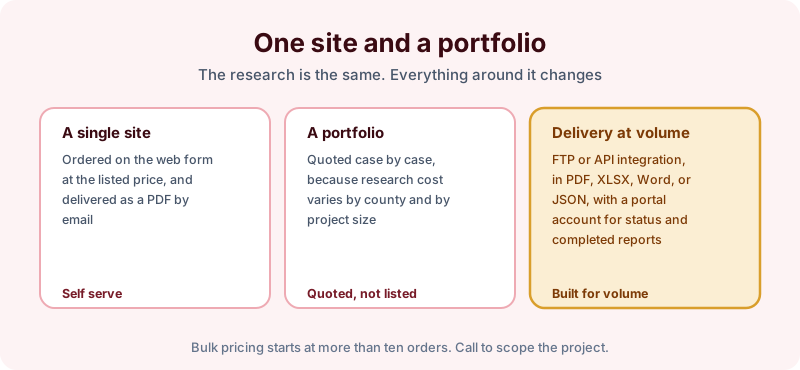
Portfolio pricing is negotiated case by case rather than taken from the list, because research cost varies by county and by project size. A hundred sites concentrated in three counties with good digital coverage is a different project from twenty sites spread across fourteen states with in person only records, and a flat per site number would misprice both. Bulk pricing starts at more than ten orders.
The intake that makes it work
A portfolio quote starts from a list. The columns that list carries determine how much back and forth happens before the first order goes in.
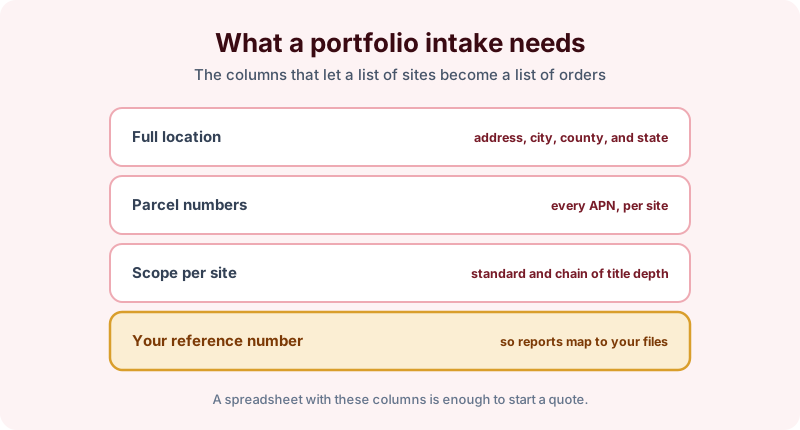
The county column is what prices the project, because the county selects which records offices each site pulls in. Parcel numbers matter for the same reason they matter on a single order, and more so at volume, since a site assembled from several parcels is close to several searches and needs to be counted that way in the quote.
The scope column is worth filling in per site rather than globally. Portfolios are frequently mixed, with some sites needing the current owner search under E1527-13 and others needing the full search to 1980, and stating it per row avoids over ordering across the whole list.
The reference column is the one people forget. Your own file or project number, carried through to the completed report, is what makes sixty PDFs land in the right places when they come back.
How reports come back
Email works fine for a handful of sites and stops working somewhere in the dozens.
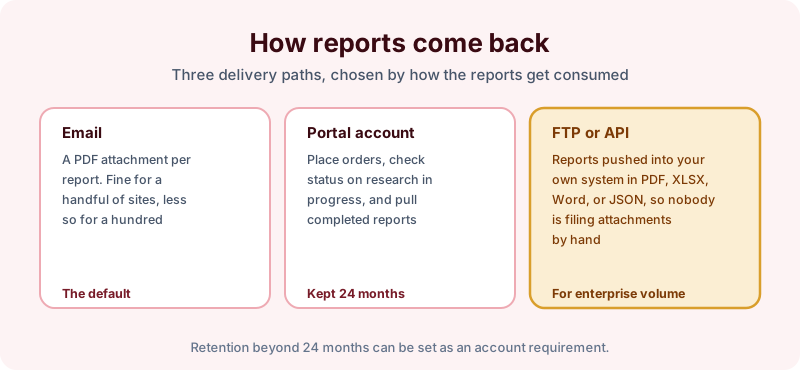
After a first order, AFX creates a portal account where you can place additional orders, check the status on research in progress, and review completed reports. All completed reports are held on AFX servers for at least 24 months, and longer retention can be set as an account requirement.
Enterprise clients take delivery by FTP or API integration in PDF, XLSX, Word, or JSON. For a team feeding results into a loan origination system, a project tracker, or an assessment platform, a structured feed removes a whole category of manual handling that scales badly.
The format choice is worth making before the first batch rather than after it. A PDF is what goes into the assessment file, but a structured export of the findings is what lets a project manager see which of sixty sites came back with something recorded and which came back clean, without opening sixty documents to find out.
Support at volume
Every client is assigned a Client Relationship Manager, and on a portfolio that role does real work. They quote the project, arrange expedite or rush service where a subset of sites is on a tighter schedule, and answer questions on completed reports. When a project runs long enough that early reports go stale, bring to date updates on previously ordered reports are offered at discounted pricing rather than at full price.
Turnaround at volume follows the same drivers as a single order. An environmental lien report is 3 business days or less as standard and a chain of title is generally within 5, with in person only counties setting the pace on the sites that have them.
The takeaway
The research on a portfolio is the same research, priced case by case because counties differ, delivered through a portal or a feed rather than as sixty attachments, and tracked against your own reference numbers. A spreadsheet with address, county, state, parcel numbers, scope, and your reference is enough to start a quote. Call us to scope the project, or if you have a handful of sites rather than a portfolio, start the order online and the portal account is created after the first one.